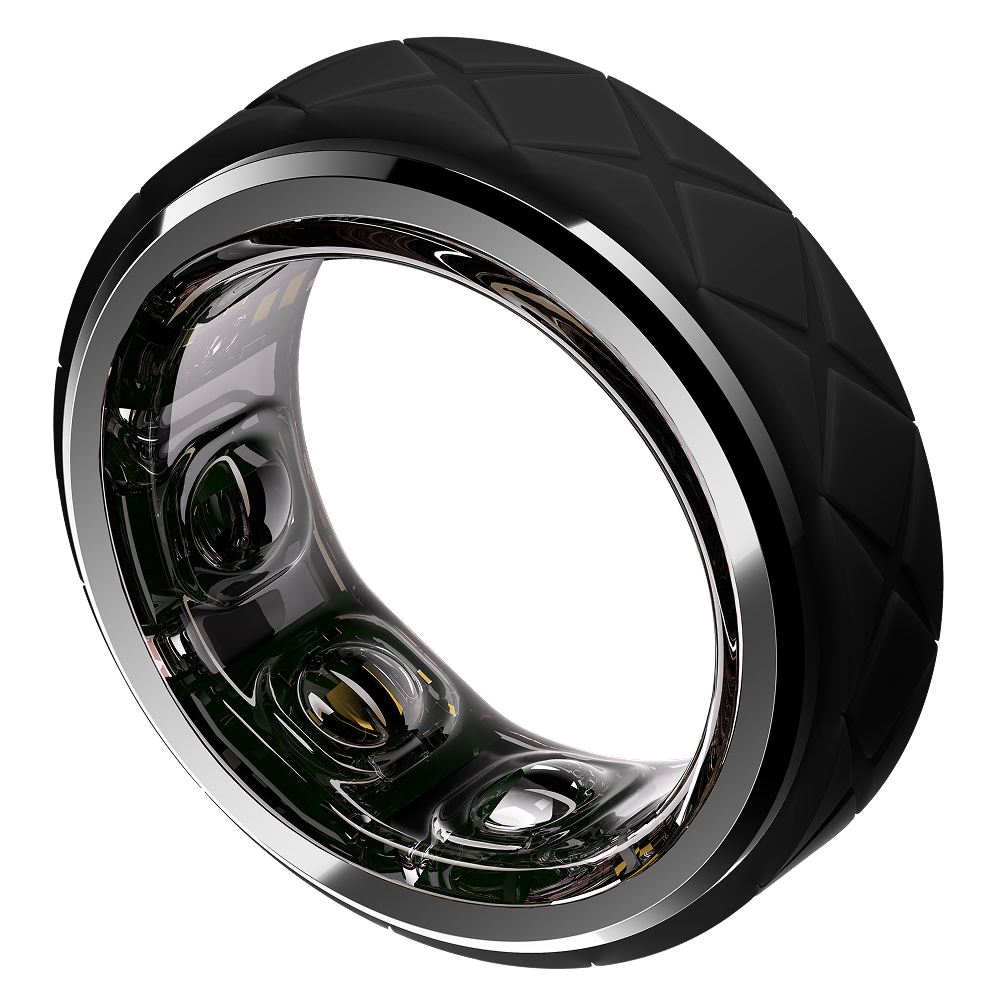
For many women, wellness has shifted from short-term resolutions to long-term, sustainable habits that fit alongside work, family, and personal commitments. Instead of relying solely on occasional checkups or sporadic fitness bursts, more women are looking for quiet, reliable tools that help them understand how sleep, stress, and activity shape everyday energy. Smart rings are emerging as one of those tools, offering continuous health tracking in a subtle form factor that feels more like jewelry than a gadget.
Unlike traditional wearables that can feel bulky or overly sporty, smart rings are designed to blend into daily outfits and routines. This makes them especially appealing for women who want data-driven insights without the visual reminder of a fitness device on their wrist all day. As more brands focus on women’s needs—comfort, style, and clear, actionable insights—smart rings are becoming an accessible entry point into long-term wellness tracking.
Why a Women-Focused Smart Ring Guide Matters
Women’s wellness journeys are often shaped by multiple roles and responsibilities, from professional demands to caregiving and community involvement. That means a device that simply counts steps is not enough; it needs to help make sense of sleep quality, recovery, stress, and daily movement in a way that feels context-aware and supportive, not judgmental. A women-focused smart ring guide can highlight the features that genuinely make a difference in this context, rather than just listing technical specifications.
At the same time, the smart ring landscape is growing quickly, with options that emphasize different strengths—some lean toward sleep tracking, others toward training and performance. Having a clear guide that explains how these strengths align with women’s real-world priorities helps avoid decision fatigue and supports more confident, informed choices.
Key Wellness Metrics That Matter for Women
While every woman’s priorities differ, a few core wellness metrics tend to be consistently important: sleep, recovery, stress awareness, and overall activity. Smart rings use sensors to monitor heart rate, heart-rate variability, skin temperature, movement, and sometimes respiration, then translate those data points into daily insights.
For example, nightly data can be summarized into sleep stages and a simple readiness or recovery indicator, helping women see whether they are building reserves or running on empty. Over weeks or months, trends in resting heart rate or heart-rate variability can highlight how lifestyle changes, workloads, or training patterns are affecting overall balance. Instead of guessing, women can use these trends to gently adjust bedtimes, workloads, or exercise intensity.
Using a Cudis Women’s Smart Ring Guide as a Starting Point
Because there are many ways to use a smart ring, clear educational resources can make the first steps less overwhelming. A well-structured cudis women's smart ring guide like this one can help women understand what to expect from smart rings designed with their needs in mind, including how features such as sleep tracking, stress awareness, and activity insights translate into everyday decisions.
Rather than focusing on hype, a practical guide explains how to interpret metrics, how long it takes to establish baselines, and how to use the ring as a supportive presence instead of a constant critic. By walking through these elements step by step, women can decide whether a smart ring fits their current lifestyle and goals, and how to integrate it without adding extra mental load.
From Morning to Night: How Women Can Use Smart Rings
One of the strengths of smart rings is how easily they can stay on throughout the day and night, giving a fuller picture of the body’s rhythms. Instead of thinking in terms of isolated workouts or single nights of sleep, women can view their wellness as a continuous timeline, with the ring acting as a quiet observer.
Below is an example of how a typical day with a smart ring might unfold for a woman balancing work, family, and personal pursuits.
Morning: Interpreting Sleep and Readiness
The day often starts with a quick glance at the ring’s companion app, where sleep duration, sleep stages, and a readiness indicator summarize the previous night. Even a brief look can be enough to confirm whether it might be wise to push a morning workout, keep it light, or prioritize rest and recovery.
For women who are used to powering through on minimal sleep, seeing consistent metrics over time can be eye-opening. Patterns like reduced deep sleep or elevated resting heart rate may nudge them toward practical changes—earlier bedtimes, reduced late-night screen use, or a more consistent evening routine. Instead of relying on vague impressions of being “tired” or “fine,” they can base decisions on clear, repeatable data.
Midday: Staying Aware of Movement and Stress
During work hours, it is easy to lose track of how long one has been sitting or how stress levels are building. Smart rings help by monitoring activity in the background and, in some cases, surfacing gentle reminders to move after long sedentary periods. This can be particularly useful for women who work at desks, in meetings, or in hybrid environments and want to avoid spending entire days without meaningful movement.
When combined with heart-rate and variability data, these activity metrics can provide a simple window into daily stress. For example, noticing that resting heart rate stays elevated over several days might prompt small interventions such as short walks, breathing exercises, or time blocking for focused work. Because the ring captures these changes quietly, women can respond proactively instead of waiting until they feel overwhelmed.
Evening: Reflecting on the Day and Adjusting Habits
As the day winds down, many women find it helpful to spend a few minutes reviewing daily summaries—step counts, time spent in different heart-rate zones, and overall activity balance. These overviews make it easier to spot patterns like consistently low movement on certain days or better sleep on evenings with earlier dinners.
From there, small habit experiments become easier to plan and evaluate. For instance, a woman might test how a short walk after dinner affects sleep, or whether a brief wind-down routine helps lower resting heart rate over a week. Because the ring tracks these changes automatically, she can focus on the behaviors themselves rather than constantly managing data.
Features Women Often Look For in Smart Rings
While every woman has her own priorities, some features tend to appear repeatedly when women evaluate smart rings for daily use. Understanding these features and how they support practical goals can make it easier to decide whether a device is a good fit.
Here is an example table that organizes typical women’s priorities and the corresponding smart ring capabilities:
Because hands are constantly in use—typing, carrying, cooking, or caring for others—comfort and durability also matter. Many smart rings designed for everyday wear use robust metals and smooth interior surfaces, offering resistance to water and daily wear-and-tear while remaining comfortable enough for overnight use.
Making Sense of Data Without Overwhelm
For women who already juggle multiple responsibilities, one concern is that health tracking might add to mental load instead of reducing it. Smart rings can address this by emphasizing clear, high-level indicators over endless graphs: a single readiness score, a simple sleep overview, or concise daily summaries can be enough to guide decisions.
Over time, women can learn to treat these indicators as gentle suggestions rather than strict instructions. If the ring suggests lower readiness, they might choose a lighter workout or earlier bedtime; if it shows strong recovery and solid sleep, they may feel more confident about a demanding day. In this way, the device becomes a supportive reference rather than a source of pressure.
Example Video: Women Reviewing the Best Smart Rings
For women who prefer visual explanations, video reviews can provide a helpful complement to written guides by showing how smart rings look and feel in real-world use. The following video offers a broad perspective on several leading smart rings, including how they perform in areas like sleep tracking, daily comfort, and battery life:
https://www.youtube.com/watch?v=t9AFfQnV88w
Watching reviews like this can help women visualize how a smart ring might integrate into their own routines, from workdays to workouts to evenings at home. It also provides context on trade-offs—such as differences in design, app experience, or subscription models—before committing to a specific device.
Building a Long-Term Relationship With Your Smart Ring
Ultimately, the real value of a smart ring for women lies not in a single feature but in the relationship built over time between data and daily decisions. When worn consistently, the ring becomes a kind of mirror, reflecting back how habits, routines, and seasons impact sleep, stress, and energy.
By pairing that reflection with compassionate self-awareness—seeing metrics as information, not judgment—women can use smart rings to support a more sustainable, balanced approach to wellness. Small, steady changes—earlier nights, more movement, better boundaries around work—add up over months and years, and the ring’s long-term trends can make that progress visible.
For women who want to explore devices specifically aligned with their wellness priorities, it can be helpful to start with resources that highlight rings optimized for female users, focusing on sleep, recovery, and everyday use rather than purely athletic performance. To learn more about smart rings that emphasize lightweight design and holistic wellness tracking, you can visit Cudis, which offers rings tailored for sleep, stress awareness, and daily health insights.